


Albion Online - Sandbox MMORPG
4.510.02K Reviews
App Specs
- Version
- 1.31.042.339912
- Updated On
- License
- Free
- Downloads
- 10,000,000+
- Developer
- Sandbox Interactive GmbH
- Categories
- Role Playing
- Platform
- Android, iOS
Screenshots
 Analysis by AppCompare
I went into Albion Online expecting a familiar fantasy role-playing game, but its biggest difference showed up in how it lets me decide what kind of player to be. Instead of choosing a permanent class, I shape my role through the equipment I use and the activities I pursue. That makes it appealing if I enjoy setting my own goals, though it also means the game gives me less direction than a story-led adventure. I find it most rewarding when I’m happy to make my own plans rather than wait for the next scripted mission.
Where it stands today
This is a free-to-play mobile MMORPG from Sandbox Interactive GmbH, with an average rating of 4.5 from around 377,000 ratings and more than 10 million installs. It is rated Everyone 10+, and the current version is 1.30.040.326081. Those figures suggest a substantial audience, but the more useful point for a new player is that Albion is built around shared activity: gathering, crafting, trading, exploring, and fighting all feed into a world shaped by its players.
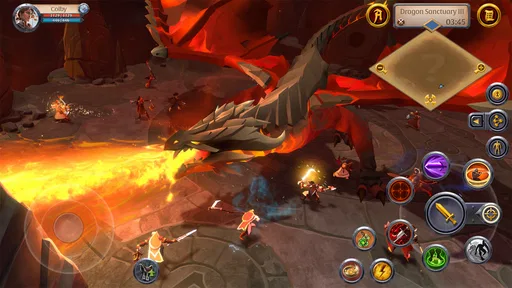
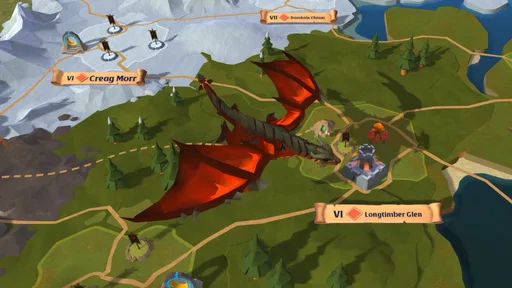
The mobile view presents the world from above, making it easier to read the ground around you than in a close-up, over-the-shoulder RPG. Towns feel like working hubs rather than just backdrops, and the wilderness is where the practical decisions begin: what to collect, what to carry, and whether a trip is worth the risk. The presentation is clear and colorful, although the amount of activity can make the interface feel busy when I’m still learning where everything is.
I would describe its current appeal as freedom with responsibility. There is room to focus on combat, resource gathering, crafting, or trade, but the game’s systems connect those pursuits instead of treating them as separate mini-games. That creates satisfying long-term aims, yet it can be a poor fit if I only have a few minutes and want a neatly packaged quest with an obvious conclusion. Albion rewards curiosity and routine more than quick, self-contained sessions.
What the flexible progression changes
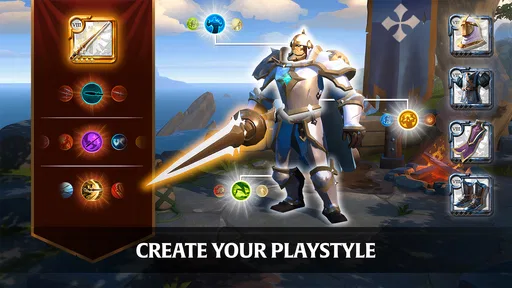
Albion’s classless approach is more than a character-creation gimmick. What I wear determines the tools and abilities available to me, so changing equipment can change my job. I can experiment with a different combat style without starting over as a new character, and that makes trying unfamiliar roles feel less like a permanent commitment. The trade-off is that progress is tied to the gear and activities I invest in, so changing direction still takes thought and effort.
For an existing player, that flexibility can keep familiar routines from becoming too rigid. A gathering trip, a crafting session, and a combat outing ask for different preparation, and equipment is part of that planning. I recommend deciding what I want to accomplish before leaving town, then carrying gear that supports that purpose rather than treating every outing as an all-purpose expedition. It is a small habit that makes the world feel more manageable and helps prevent a long trip from turning into aimless wandering.
Albion is not built around a fixed hero story that carries me from one dramatic scene to the next. Its sense of development comes instead from what I learn to do, what I make, and how I take part in the wider player community. That can be deeply satisfying when I like creating my own milestones. If I need a strong plot, named companions, or frequent cinematic rewards to stay engaged, a more traditional story-driven RPG is likely to suit me better.
Worth Reading Before You Choose

Baby Panda World Brings Quick Play to Modern Phones, but Its Game Library Feels Busy

ESPN’s Live Game View Makes Following Close Games Easier

QuizzLand Review: A Good Fit for Short Trivia Breaks, Not Every Player

Basketball Stars: Multiplayer Is Fast, but Can It Recover When Matches Go Wrong?

WEBTOON Turns Phone Updates Into a Better Reading Routine

Link to Windows Runs on Shared Habits, Not Social Feeds
Player activity, risk, and the economy
The player-shaped world gives routine actions a practical purpose. Resources can become crafted goods, and those goods can move through trade rather than existing only as rewards for my character. I like that this makes gathering feel connected to other people’s plans. It also means the value of an activity depends on context: collecting something is not automatically worthwhile just because it is available, and a market-minded player has to consider what they need, what they can carry, and whether the effort makes sense.
That connection is where I see one of Albion’s less obvious strengths: I can approach progress as a chain of small decisions, not just a sequence of fights. Before a session, I might choose a simple goal such as collecting materials for a particular item, then decide whether I want to process them, use them, or trade them. Keeping those steps in mind gives a short play session a shape even when I am not joining a group. It also helps me avoid gathering without a purpose and ending up with a load of resources I do not know what to do with.
The open-world PvP side is a more serious consideration. Danger can make travel and preparation feel meaningful, but it can also make the game stressful for someone who dislikes the possibility of conflict while exploring. I would not recommend treating every outing as equally safe or assuming that carrying valuable items is always worth it. A cautious player can make more deliberate choices about equipment and goals; someone who wants a completely predictable, low-pressure world may be happier in a single-player RPG or a gentler online game.
Playing on a phone and choosing your pace
On mobile, Albion suits players who are comfortable checking a busy interface and making decisions with touch controls. The overhead camera helps me keep track of the immediate surroundings, but a compact screen still asks for attention when I am navigating menus, managing equipment, or reacting in combat. I would start with low-stakes activities while learning the controls rather than making a valuable or risky trip before I know how the interface feels on my device.
A realistic everyday session might be a short stop after work: I log in with one clear aim, gather materials near a town, return to sort them, and leave the larger expedition for a time when I can concentrate. That approach suits Albion better than trying to squeeze every system into one sitting. If I have a longer window, I can use it for exploration or social play; if I only have a few spare minutes, I can keep the goal modest and avoid setting off on a journey I will need to abandon halfway through.
Compared with many mobile role-playing games that steer players through a sequence of missions and upgrades, Albion asks me to supply more of the direction myself. That is its appeal and its main hurdle. Players who enjoy open-ended MMORPGs, trading, crafting, and coordinating with others will have more to chew on here than they would in a straightforward action RPG. Players who prefer a guided campaign, quick automatic battles, or a clearly defined solo route may find the freedom turns into friction rather than fun.
What to keep in mind before committing
The game is free to start, with optional in-app purchases ranging from $0.99 to $209.00 per item. I would approach that range as a reason to make my own spending boundaries, not as a reason to assume purchases are necessary for enjoying the core loop. The important question is whether I enjoy Albion’s day-to-day activities and player-driven pace; paying for something cannot make an open-ended game feel guided if that is what I am missing.
For a newcomer, I would treat the early hours as a test of the whole routine rather than a race to reach an imagined endgame. Try different equipment, notice which activities feel enjoyable rather than merely productive, and pay attention to how much time you like spending in menus and markets. The game is generous with possible directions, but that breadth can make it easy to chase several goals at once. Choosing one priority at a time makes it easier to understand what is working for you.
Albion Online was released on June 9, 2021, and its current version number shows that the game has continued through numbered releases since then. That is a concrete sign of an ongoing product, not a promise about what any future release will contain. For players already invested in the world, continued version changes are worth watching for their practical effect on the activities they care about; I would check the details of a release before assuming it changes a favorite routine or solves a particular annoyance.
There are still trade-offs that no version number can remove. A player-driven world can be lively, but it may feel less predictable than a campaign with authored goals. A flexible equipment system invites experimentation, but it asks me to make choices and learn what suits a task. And a mobile interface makes it possible to check in away from home, while some situations still call for more attention than a quick glance. I see those as defining characteristics rather than flaws that every player will experience in the same way.
My practical recommendation is to give it a fair trial if you like building your own routine and can accept that other players help shape the experience. Start with simple goals, learn how your chosen equipment supports them, and keep risky outings for moments when you are ready to focus. If you want a strong solo narrative or a game that reliably delivers a complete activity in a tiny time slot, I would choose a different kind of RPG instead.
Have you ever dreamed of diving into a medieval fantasy world where you can wield your destiny with a sword, magic, or even a trade profession? Well, say hello to Albion Online, a game that’s been turning heads on both Android and iOS. I took a deep dive into this sandbox MMORPG, and let me tell you, it's a ride worth taking.
First Impressions: A World of Possibilities
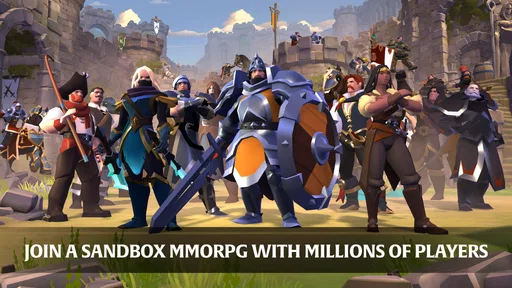
Launching Albion Online for the first time is like stepping into a bustling medieval market. The graphics are crisp and vibrant, with a top-down view that offers a unique perspective on the bustling towns and sprawling wilderness. You start with a simple character, but don’t let that fool you—this game is all about progression and customization.
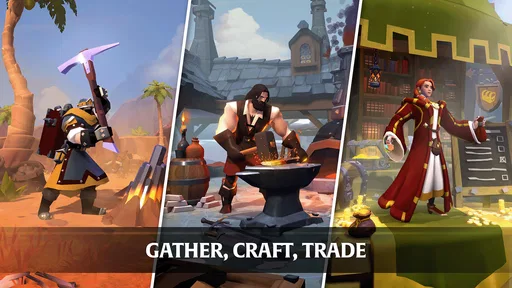
The game’s tutorial is pretty straightforward, easing you into the mechanics without overwhelming you. You’ll quickly get the hang of gathering resources, crafting items, and engaging in combat. It’s a great mix of action and strategy, with something for everyone, from the battle-hardened warrior to the shrewd trader.
The Gameplay Experience
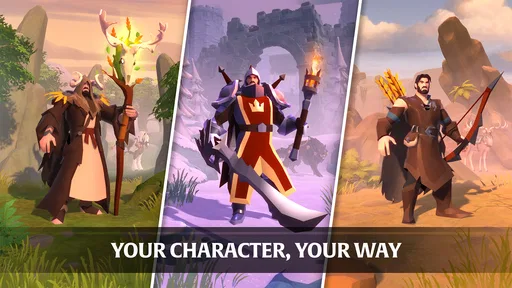
One of the coolest aspects of Albion Online is its classless system. Instead of being locked into a specific role, your character evolves based on the gear you use. Want to swing a sword today and cast spells tomorrow? Go for it! This flexibility really sets the game apart from other MMORPGs.
The world of Albion is player-driven, meaning the economy, politics, and even territories are influenced by the players themselves. It’s an open world where your actions truly matter. Joining a guild can open up even more opportunities, from large-scale battles to cooperative crafting endeavors. The social aspect is a big draw, and there’s a real sense of community as you chat and trade with fellow adventurers.
Exploration and Combat
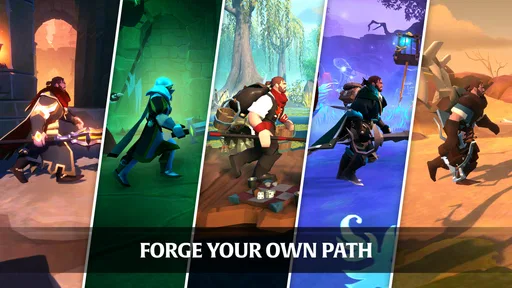
Exploration is a huge part of the fun. The map is vast, with different biomes offering unique resources and challenges. Whether you’re battling wolves in the forest or mining ore in the mountains, there’s always something to do. And let’s not forget the dungeons—perfect for those who crave a bit more danger and reward.
Combat is skill-based and requires strategic thinking. You’ll need to time your attacks, manage your energy, and choose your equipment wisely. It’s not just about mashing buttons; it’s about planning your moves and adapting to the enemy’s tactics.
Crafting and Economy
If combat isn’t your thing, you might find your niche in the game’s robust crafting system. Everything from weapons to buildings is crafted by players, and the economy thrives on trade. You can gather resources, craft items, and sell them in the marketplace. Watching your trades pay off and seeing your wealth grow is incredibly satisfying.
The player-driven economy is dynamic and can be influenced by supply and demand, making it vital to keep an eye on market trends. Whether you’re a lone wolf or part of a guild, there are plenty of ways to make your mark.
The Verdict
So, is Albion Online worth your time? Absolutely. It offers a rich, immersive experience that’s perfect for anyone who loves a good MMORPG. The blend of open-world exploration, strategic combat, and player-driven economy creates a game that’s as deep as it is engaging.
Whether you’re on your commute or lounging at home, Albion Online provides a captivating escape into a world where you can truly be whoever you want to be. So grab your sword—or your crafting tools—and dive into an adventure that’s waiting for you. Trust me, you won’t be disappointed.
Pros
- Cross-platform play for seamless gaming.
- Massive open-world with diverse biomes.
- Player-driven economy adds depth.
- Guild system encourages community play.
- Regular updates keep content fresh.
Cons
- Learning curve may be steep for beginners.
- Requires stable internet connection.
- In-game purchases can affect balance.
- Graphics may feel outdated for some users.
- Some features locked behind premium membership.
FAQs for Albion Online - Sandbox MMORPG
What is Albion Online and what makes it unique?
Albion Online is a sandbox MMORPG known for its player-driven economy, where every item is crafted by players. Its classless combat system allows you to customize your skills and equipment freely. The game's open-world PvP and guild warfare offer dynamic and strategic gameplay, making it a standout in the MMORPG genre.
Is Albion Online free to play, and are there any in-game purchases?
Albion Online is free to play, allowing players to access most content without charge. However, there are in-game purchases available, such as premium subscriptions that offer benefits like increased fame and silver gains. Cosmetic items and convenience features can also be bought, but gameplay remains fair for free players.
What platforms is Albion Online available on, and does it support cross-platform play?
Albion Online is available on Windows, Mac, Linux, Android, and iOS. It supports cross-platform play, allowing users to seamlessly switch between devices without losing progress. This flexibility ensures that players can enjoy the game on the go or at home on their preferred platform.
How does the player-driven economy work in Albion Online?
In Albion Online, the economy is entirely player-driven. Players gather resources, craft items, and trade in a global market. Prices are dictated by supply and demand, creating a dynamic economic environment. This system encourages collaboration and competition, as players must interact to obtain goods and services.
What types of activities can players engage in within Albion Online?
Players in Albion Online can engage in a variety of activities such as gathering resources, crafting, trading, and participating in PvE and PvP combat. Guilds play a significant role, offering large-scale battles and territory control. Solo and group dungeons provide PvE challenges, while the open-world PvP zones offer thrilling player combat.


